Best Shopify Development Company in Palakkad
Manufacturers, mills and distributors need specification search, slab pricing and interstate paperwork — not a fashion theme with the colours changed.
- check_circle
Part-number and specification search that industrial buyers actually use
- check_circle
Quintal and tonne units with enforced order increments
- check_circle
Distributor logins showing negotiated rates and credit headroom
- check_circle
IGST and e-way bill data captured at order, not retyped at dispatch
Want a team accountable for the store after handover? See our Shopify partner engagement in Palakkad.

Search-Led
Part numbers indexed, not buried in categories
Real Units
Quintal, tonne and lot increments enforced
Tier Pricing
Distributor rates never visible to retail
ERP Master
Production system stays the source of truth
Engineering asks that come out of the Palakkad industrial belt
This district is Kerala's most industrial. Between the Kanjikode estate, the rice and jaggery trade, and the agri brands coming out of the valley, the work here looks far more like B2B systems engineering than storefront design.

Spec-Driven Industrial Catalogues
Kanjikode buyers search by part number and specification. A pretty category grid is not what closes the order.
- chevron_right
Part number, OEM cross-reference and superseded-code search indexing
- chevron_right
Specification tables rendered from metafields rather than pasted images
- chevron_right
Datasheets, drawings and compliance documents as versioned file fields
- chevron_right
Filter facets built on real attributes — material, tolerance, rating, size
Bulk & Commodity Unit Pricing
Rice, jaggery and agri output sell by quintal and tonne, in increments a retail cart does not understand.
- chevron_right
Selling unit defined explicitly instead of assuming per-piece quantities
- chevron_right
Order increments enforced so partial-lot quantities cannot be submitted
- chevron_right
Volume slab pricing that steps down automatically as quantity rises
- chevron_right
Consignment freight routed to a quote workflow, never a guessed rate
Distributor & Dealer Portals
The channel is the business. Digitising it usually returns more than chasing new retail traffic.
- chevron_right
Tier-tagged accounts showing negotiated rates in place of list prices
- chevron_right
Reorder from history and saved requisition lists for routine purchasing
- chevron_right
Outstanding balance and credit headroom surfaced to the logged-in buyer
- chevron_right
Retail visitors structurally prevented from seeing channel pricing
Interstate & E-Way Bill Readiness
The Tamil Nadu border is twenty minutes away, and crossing it changes your tax and paperwork obligations.
- chevron_right
Tax derived from delivery state so IGST applies correctly on TN orders
- chevron_right
HSN codes held per product and carried onto every invoice
- chevron_right
Consignment value, transport and vehicle fields captured at order time
- chevron_right
Invoice documents formatted for what your dispatch office actually needs
ERP-Led Inventory Integration
In a manufacturing business the production system knows the truth. The store should defer to it.
- chevron_right
ERP as inventory master with Shopify consuming an availability figure
- chevron_right
Available-to-promise published rather than raw on-hand stock
- chevron_right
Order push into the ERP with idempotent handling on retries
- chevron_right
Sync failures surfaced as alerts instead of disappearing silently
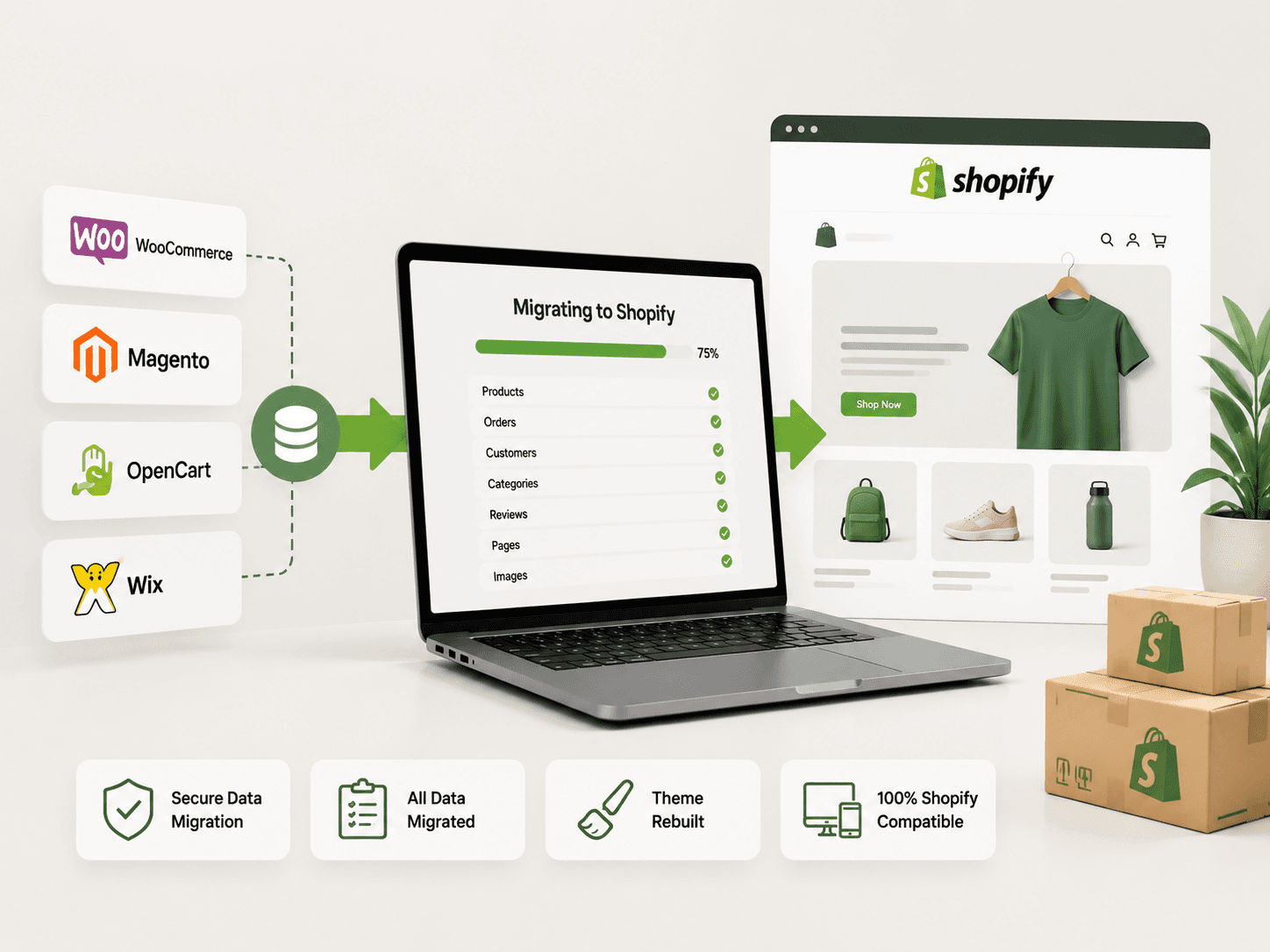
Selling across the Tamil Nadu border without creating paperwork chaos
No other Kerala district does as much routine interstate business as Palakkad. The Coimbatore corridor is a genuine commercial advantage — but only if the store captures the data your dispatch office needs instead of leaving them to reconstruct it.
Tax changes at the border
A consignment to Coimbatore is an interstate supply. IGST replaces CGST and SGST, and the store has to derive that from the delivery address rather than from a setting somebody remembered to change.
E-way bills need order data you may not be capturing
HSN code, taxable value, transporter ID and vehicle details all have to exist before the bill can be generated. If the store does not collect them, someone is retyping them under time pressure at dispatch.
The Coimbatore corridor is an advantage
Palakkad sits on the fastest road link out of Kerala. Transit times to western Tamil Nadu are often better than to northern Kerala, and shipping profiles should reflect that reality rather than treating all non-local orders alike.
Freight is a quoted cost, not a table rate
Full and part-load consignments price by weight, volume and route. Automatic rates work for parcels and mislead badly on anything larger, which is why bulk orders should route to a draft-order quote.
Warehouse and mill are different origins
Shipping from Kanjikode and shipping from a mill site are different transit realities. Multiple origin locations should be modelled so delivery estimates and freight stay honest.
B2B invoicing expectations are stricter
Business buyers need GSTIN captured and validated, purchase order references stored against the order, and invoice formats their accounts payable team will accept without a follow-up call.
Digitising the dealer network you already have
Most Palakkad manufacturers ask us for a retail store and discover halfway through that the real return is in taking phone-and-WhatsApp dealer ordering onto a system. Here is what that portal includes.
- check_circle
Authenticated accounts tagged to a pricing tier agreed per dealer
- check_circle
Negotiated rates rendered in place of list prices once logged in
- check_circle
Minimum order quantities and pack multiples enforced at the cart
- check_circle
Reorder from previous consignments in two taps rather than a phone call
- check_circle
Outstanding balance and available credit shown before an order is placed
- check_circle
Purchase order reference captured and printed on the invoice
- check_circle
GSTIN collected and validated at account creation, not at dispatch
- check_circle
Draft-order quoting for consignments that need manual freight pricing
- check_circle
Order history exportable by the dealer for their own reconciliation
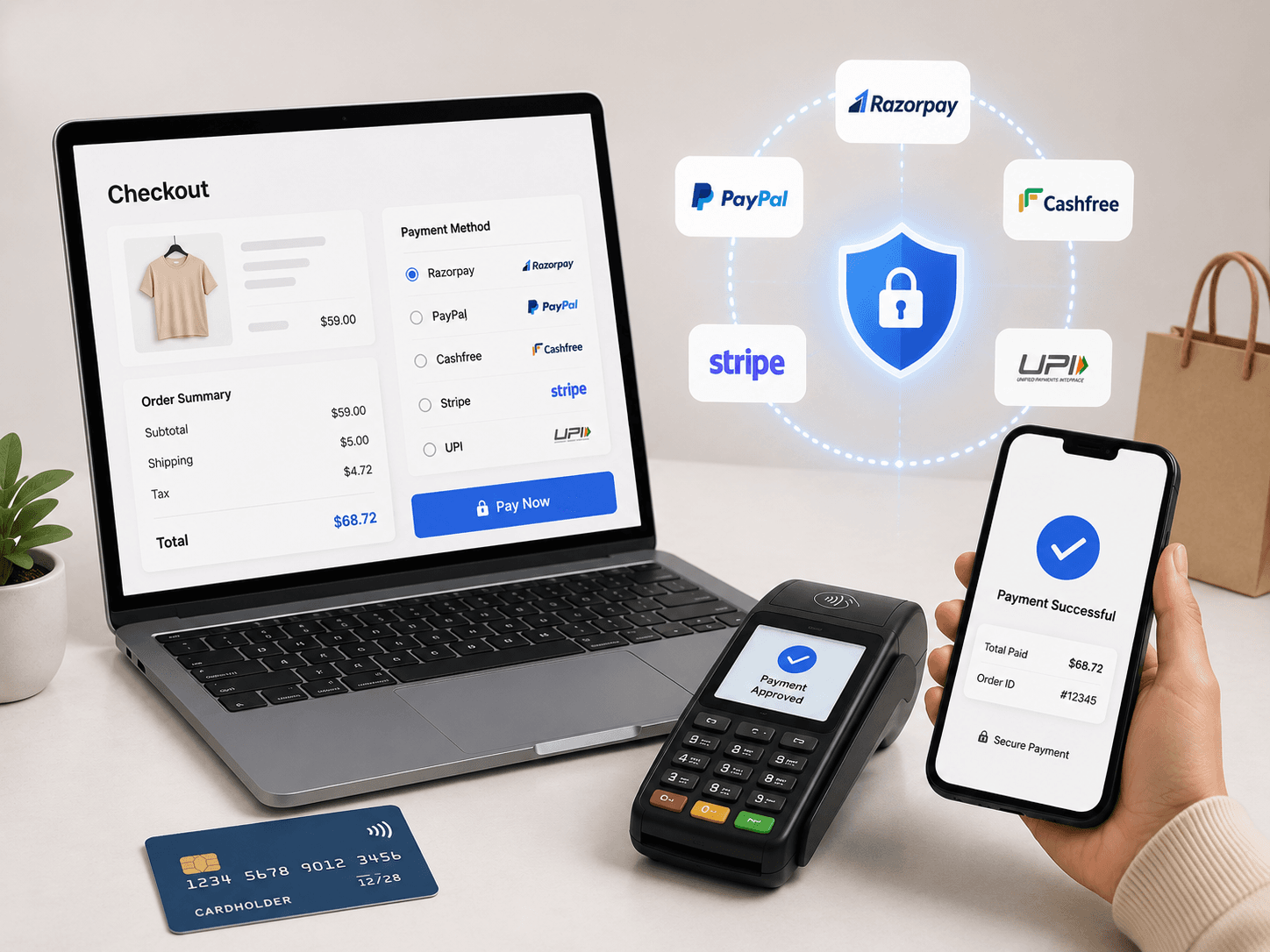
Sequencing a Palakkad B2B project
Industrial projects fail at the seams between systems, not inside them. Most of this sequence is about pinning down those seams before anyone writes storefront code.
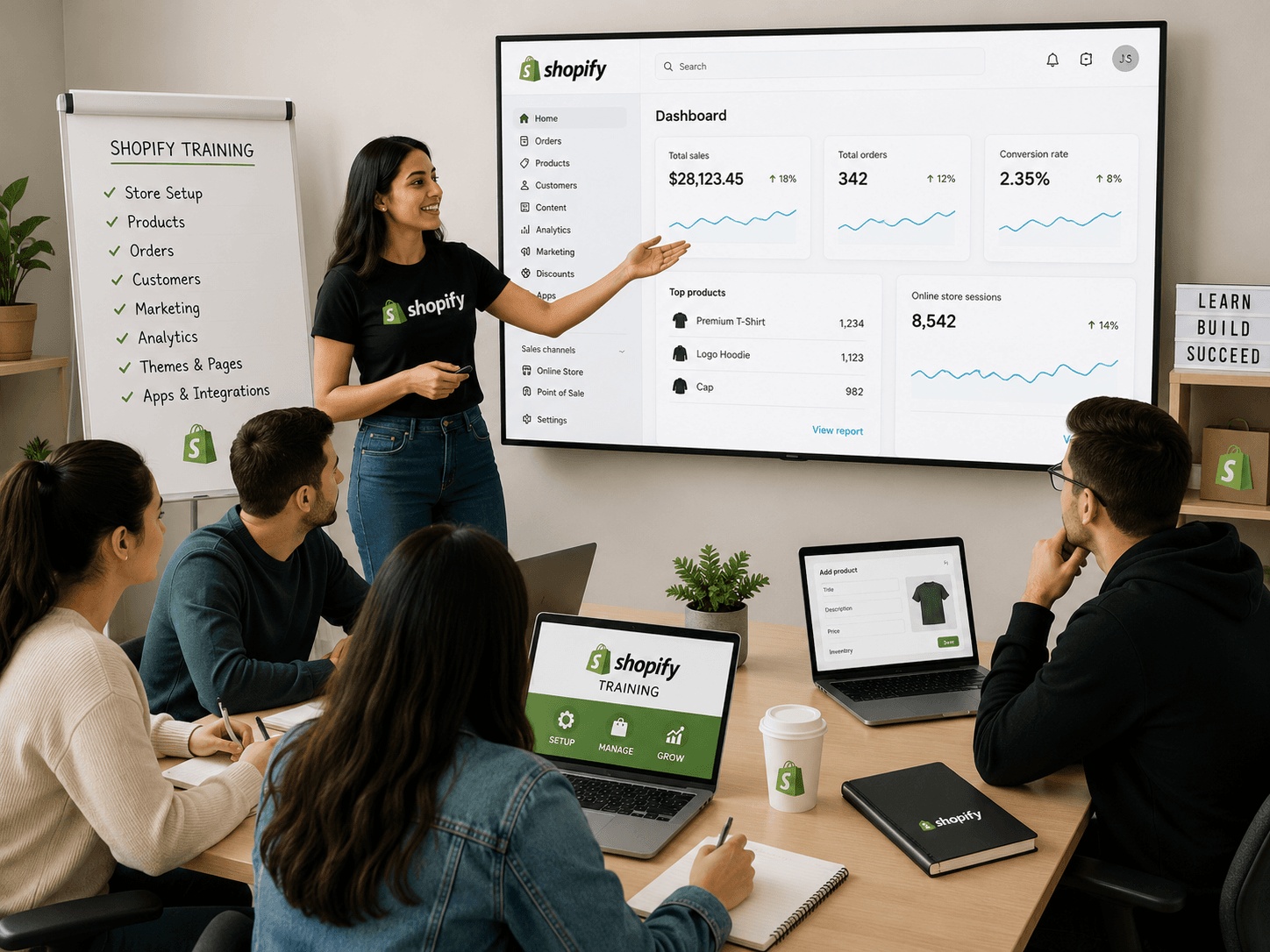
Channel and product discovery
We separate what you sell to distributors, to industrial buyers, and direct to consumers. These are three different stores wearing one brand, and conflating them is the most common failure here.
Data and unit modelling
Selling units, increments, specification schemas, HSN mapping and document structures are defined before build. Getting units wrong is expensive to unwind later.
Integration contract with the ERP
Direction of truth, sync frequency, available-to-promise logic and failure handling agreed in writing with whoever maintains your production system.
Storefront and portal build
Search-led industrial templates, consumer-facing produce templates, and the authenticated distributor experience, each built and reviewed separately.
Tax and dispatch rehearsal
We run test consignments to Kerala and Tamil Nadu addresses, check the invoice output, and confirm your dispatch office has every field e-way bill generation requires.
Handover to your team
Repository, integration runbooks, document versioning procedures, and training for the people who will add products and process channel orders.
Questions from Palakkad manufacturers and mills
codeWe manufacture engineering components at Kanjikode. Can Shopify handle a part-number catalogue?
expand_more
codeOur rice mill sells in quintals and tonnes, not packets. Does that work?
expand_more
codeHalf our customers are in Coimbatore and Tiruppur. Does interstate selling complicate the build?
expand_more
codeCan we give our distributors their own login with their own prices and credit limits?
expand_more
codeOur products need drawings, test certificates and compliance documents. Where do those live?
expand_more
codeWe already run an ERP for production. Should the store be the master for inventory?
expand_more
codeDo you build the jaggery and agri-produce side differently from the engineering side?
expand_more
codeWhat does it cost to keep this running once you have built it?
expand_more
Commission one component at a time
Custom Shopify App Development
Tier pricing, order increments and credit visibility built with Shopify Functions instead of stacked subscriptions.
Shopify Theme Development
Search-led industrial templates with specification tables and document downloads as first-class elements.
Shopify Migration Services
Moving a legacy catalogue or dealer portal onto Shopify with part numbers and redirects preserved.
Shopify Speed Optimisation
Keeping large filtered catalogues fast when a collection page has to render thousands of variants.
Shopify Development in Kerala
Our development practice statewide and the other Kerala districts our in-house team builds for.
Zoho Books in Kerala
GST-correct invoicing for interstate consignments, with dealer credit and reconciliation handled properly.
The other Kerala districts we work in
Palakkad is one of fourteen districts our development team builds for. The engineering brief shifts with the trade in each one, so each page covers what that district actually asks us to build.
Send us your price list and your dealer terms
Those two documents tell us more about what your store needs than any brief. We will come back with a data model, an integration approach, and a view on whether the dealer channel or retail should be built first.