Expert Shopify Development Company in Alappuzha
Coir mats priced by the square metre, mattings woven to a customer's design, and houseboats booked by date and cruise. None of it fits a standard product page.
- check_circle
Dimensional pricing calculated live from the size a buyer enters
- check_circle
Specification configurators with artwork upload and proof approval
- check_circle
Fleet booking with boarding points, deposits and balance tracking
- check_circle
Container enquiries routed to quotation instead of a courier rate
Want ongoing ownership after the build? See our Shopify partner engagement in Alappuzha.

Formula Pricing
Area, finishing and wastage in one calculation
Proof Gated
Custom orders approved before production
Per-Vessel
Availability by boat, date and cruise length
Honest Stock
Made-to-order where counts cannot be trusted
What the coir belt and the backwaters actually need built
Alappuzha runs two economies that could not be less alike — a manufacturing trade selling material by dimension, and a hospitality trade selling nights on the water. Both break standard ecommerce assumptions, in opposite directions.

Made-to-Measure Dimensional Ordering
Alappuzha sells coir by the metre and the square metre. Unit-count catalogues cannot express that.
- chevron_right
Area and running-metre pricing calculated live from entered dimensions
- chevron_right
Minimum and maximum sizes enforced against what your looms can produce
- chevron_right
Edge finishing and binding priced per running metre as a separate line
- chevron_right
Cutting wastage reflected in price rather than silently absorbed
Design & Specification Configurators
Custom weaves, colourways and logo work need capturing as a specification, not a comment box.
- chevron_right
Guided choice of weave, colour set, backing and logo placement
- chevron_right
Artwork upload attached to the order with file validation
- chevron_right
Indicative visual rather than a photorealistic promise you cannot keep
- chevron_right
Proof approval step gating the order before production starts
Fleet & Cruise Booking Commerce
A houseboat is an inventory unit with a crew, a capacity and a boarding point — not a product with stock.
- chevron_right
Per-boat availability by date and cruise duration
- chevron_right
Cabin count, capacity and rate card held against each vessel
- chevron_right
Boarding point, check-in window and crew allocation on the booking
- chevron_right
Deposit at booking with the balance tracked to the boarding desk
Multi-Unit Production Inventory
Coir output comes from many small units. The store has to reflect that without pretending to precision.
- chevron_right
Each unit or godown modelled as a stocking location
- chevron_right
Order routing to whichever unit can genuinely fulfil it
- chevron_right
Made-to-order with stated lead time where counts are unreliable
- chevron_right
Aggregate availability shown honestly rather than optimistically
Seafood Cluster B2B Ordering
The Aroor processing belt sells to buyers who order on specification and terms.
- chevron_right
Authenticated buyer accounts with agreed rates and pack formats
- chevron_right
Species, grade, count-per-kilo and glaze percentage as structured fields
- chevron_right
Container and part-load enquiries routed to quotation, not checkout
- chevron_right
Dispatch scheduling tied to processing and cold-chain collection
Six rules for selling something that does not exist until it is ordered
Custom manufacturing sold online fails in predictable ways: prices that ignore wastage, forms that accept dimensions the loom cannot make, and no recorded approval when the customer disputes the result.
Price is a formula, not a number
Rate per square metre, edge finishing per running metre, and a size-band adjustment together produce the figure. Storing a flat price per product makes every custom order a manual calculation.
Offcuts have a cost
Cutting an unusual width from a standard roll can leave material you cannot sell. Building that into the pricing band is the difference between a profitable custom order and a busy one.
Producibility limits belong in the form
Loom width, maximum length and minimum order area are physical constraints. Enforced at entry they prevent orders; discovered after payment they become refunds and apologies.
Proof approval prevents disputes
For anything custom-woven, a recorded approval step with the specification and artwork attached is the single most valuable thing in the workflow. It settles arguments before they start.
Lead time is part of the price
A rush order on a loom that is already committed costs you something real. Offering standard and expedited lead times as priced options is more honest than quoting one date and hoping.
Roll goods and finished goods differ
Selling from a roll and selling a finished mat are separate inventory behaviours. Modelling both as the same product type causes stock to drift almost immediately.
When your inventory is a boat with a crew on it
Houseboat operators are routinely sold product-shop templates with a contact form bolted on. What the business actually needs is per-vessel availability and a booking record your jetty staff can work from.
- check_circle
Each vessel held as its own record with capacity, cabins and rate card
- check_circle
Availability tracked by date and by cruise duration, not by stock count
- check_circle
Boarding point and check-in window attached to every booking
- check_circle
Crew and vessel allocation visible to the operations desk
- check_circle
Deposit collected at booking with the balance tracked to arrival
- check_circle
Cancellation terms enforced in the flow with the refund position stated
- check_circle
Seasonal and weekend rate cards switched without touching theme code
- check_circle
Add-on experiences and meal plans sold as booking line items
- check_circle
Monsoon and maintenance blackouts applied per vessel
For very large fleets with dynamic pricing and channel-manager needs, we will tell you honestly when a dedicated hospitality platform is the better tool.

How a custom-manufacturing build is sequenced
Two stages happen before any interface exists, and they are the ones that decide whether the configurator generates orders you can actually make.
Production capability discovery
We sit with your production side to establish what is genuinely producible — loom widths, size limits, achievable combinations — before designing any customer-facing choice.
Pricing formula definition
Rate bands, finishing charges, wastage handling and lead-time options are written down and signed off. Everything downstream depends on this being right.
Configurator and catalogue build
The guided specification flow, dimensional pricing, and standard catalogue templates constructed and tested against real past orders.
Booking layer, where relevant
Fleet records, availability, boarding logistics and deposit handling built separately from the product side so neither compromises the other.
Proof and approval rehearsal
We run test custom orders end to end, including a rejected proof, to confirm the approval loop works before a real customer relies on it.
Handover
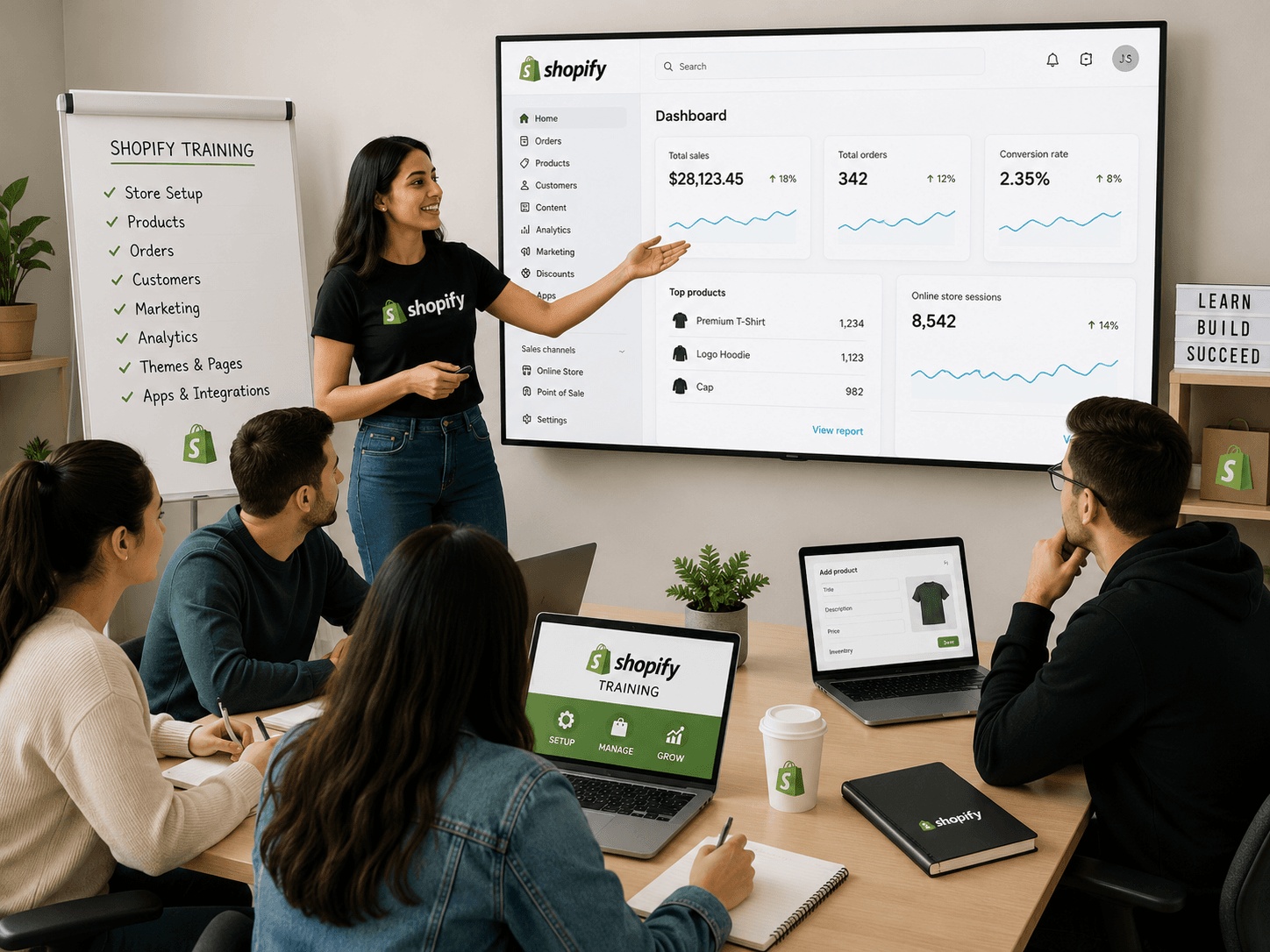
Documentation, repository access, and training split between the production office and whoever handles bookings or customer enquiries.
What Alappuzha manufacturers and operators ask us
codeOur coir mats are cut to whatever size the customer asks for. Can a store price that automatically?
expand_more
codeBuyers want their own logo or pattern woven in. Is a configurator realistic on Shopify?
expand_more
codeWe hire out houseboats. Is that even a Shopify use case?
expand_more
codeHow do you handle bookings where the customer pays a deposit and the balance on arrival?
expand_more
codeOur coir is made across several small units. Can the store show accurate stock?
expand_more
codeWe export mattings by the container. Should that go through the same store?
expand_more
codeSeafood and coir in one business. Does that work as one website?
expand_more
codeHow long does a configurator-based build usually take?
expand_more
Scope the component you need
Custom Shopify App Development
Dimensional pricing engines, configurators and proof-approval flows built as native extensions.
Shopify Theme Development
Templates that make size entry and specification choices feel simple rather than like filling a form.
Shopify Migration Services
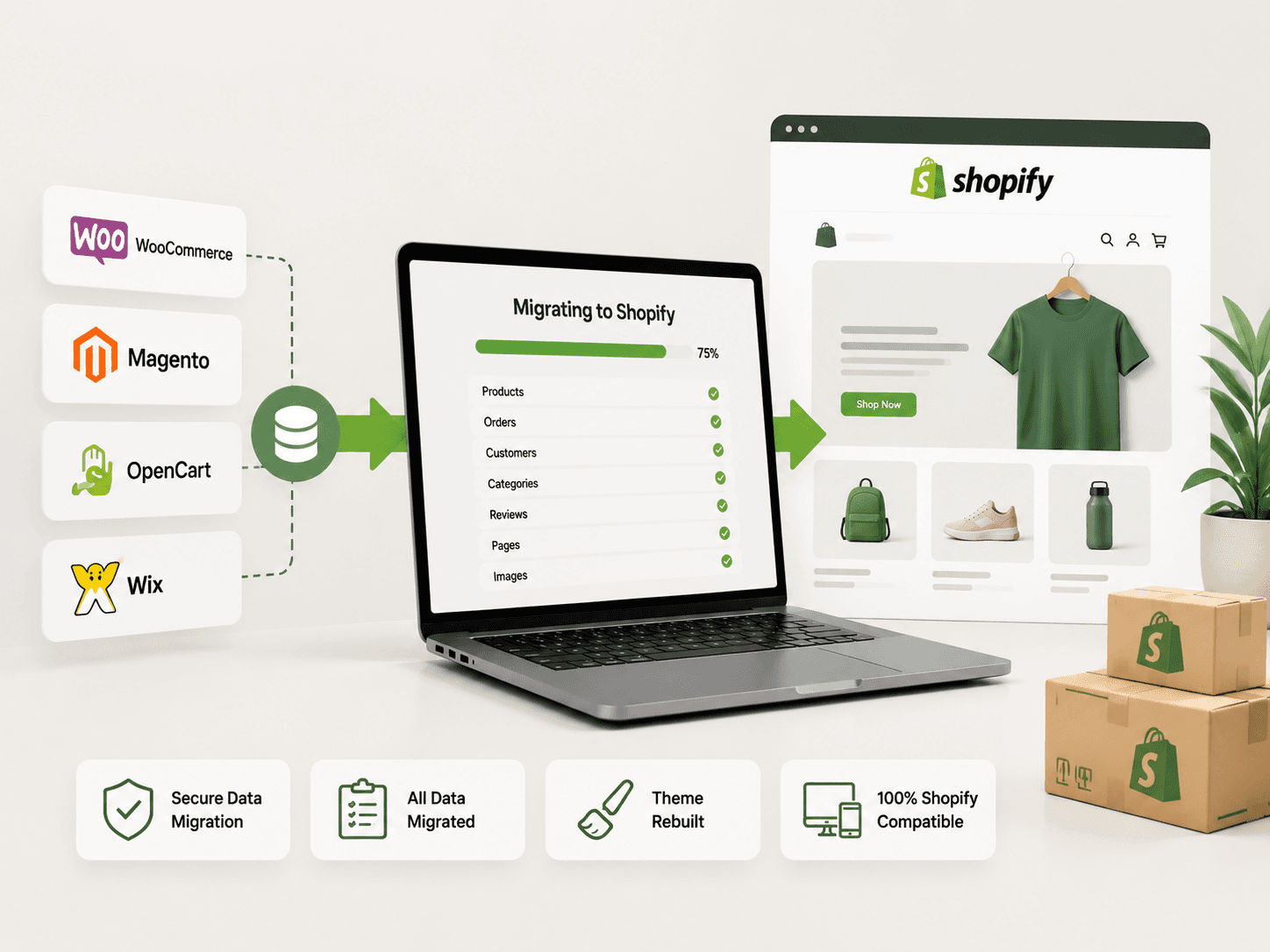
Moving a legacy manufacturer or operator site across without losing the enquiry paths that already work.
Shopify Speed Optimisation
Keeping image-heavy backwater and product photography from slowing the pages that convert.
Shopify Partner in Alappuzha
The ongoing engagement — accountability for the store, the custom order flow and growth after launch.
Shopify Development in Kerala
Our statewide development practice and the other Kerala districts our in-house team builds for.
The other Kerala districts we work in
Alappuzha is one of fourteen districts our development team builds for. The engineering brief shifts with the trade in each one, so each page covers what that district actually asks us to build.
Tell us what your looms can and cannot make
Widths, size limits, finishing options and how you currently price a custom order. That is everything we need to tell you whether a configurator is worth building for your business.