Kerala IT Layoffs and the AI Question: What We Know
Two companies, 1,100+ workers, and a critical structural transition. A breakdown of the CorroHealth and Talrop crises and what they signal for the regional tech economy.
Tech Geum Editorial
Research & Reporting

Editorial Note & Methodology
This article synthesizes verified labor data, court filings, and official announcements alongside disputed accounts from both company management and worker unions in Kerala. Where facts diverge, claims are directly attributed.
How the Crisis Unfolded
Select a milestone below to read the deep-dive context for that day.
Sudden Shutdown of CorroHealth
800+ Employees Abruptly Logged Out
Employees arriving at CorroHealth's Kochi and Kozhikode offices were told to log out immediately. The US-based healthcare tech firm shut operations without prior notice, sparking spontaneous protests by affected workers.
Impact Metric
800 - 900 medical coders and tech staff displaced.
What Happened at CorroHealth
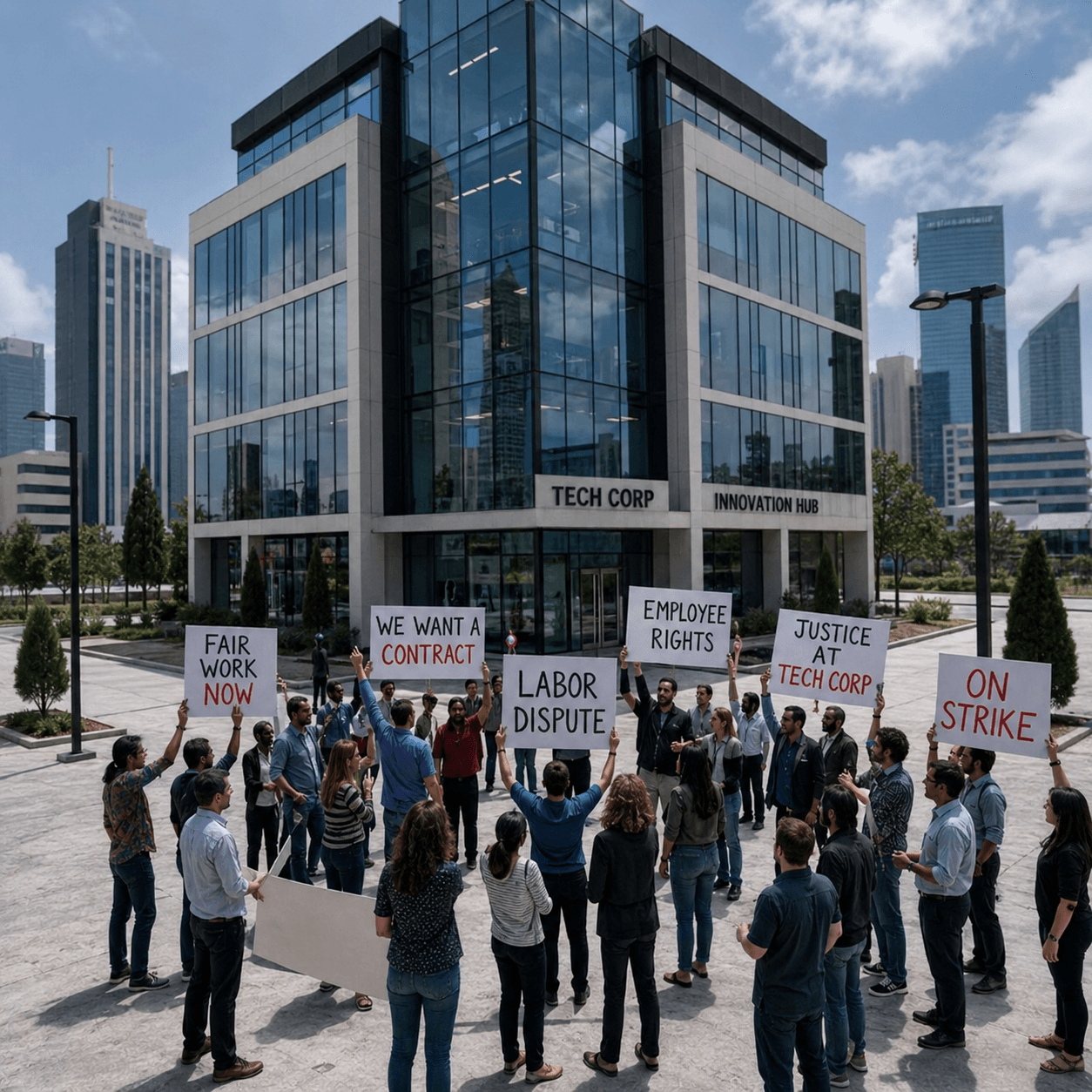
CorroHealth Infotech Private Limited, a US-based company providing healthcare analytics and medical coding services, operated offices in Kochi and Kozhikode employing roughly 800 to 900 workers. On July 3, 2026, employees reported arriving for their regular shifts only to be told to log out — the company was shutting its Kerala operations permanently.
No prior notice was given, according to multiple employee accounts reported by The Hindu, Onmanorama, and Mathrubhumi. Protests followed immediately outside the Kochi office.
corporate_fareThe Corporate Position
CorroHealth cited persistent operational losses and a global macroeconomic slowdown in healthcare BPO demands as the driving factors. They filed with the High Court stating that retrenchment salaries (3 months) were paid instantly to offset sudden closures.
groupWorker Counter-Claims
Employees disputed the financial-distress narrative, pointing out active postings and recruitment drives by the company in other cities (such as Hyderabad). State labor bodies declared the sudden termination illegal under regional guidelines.
What Happened at Talrop
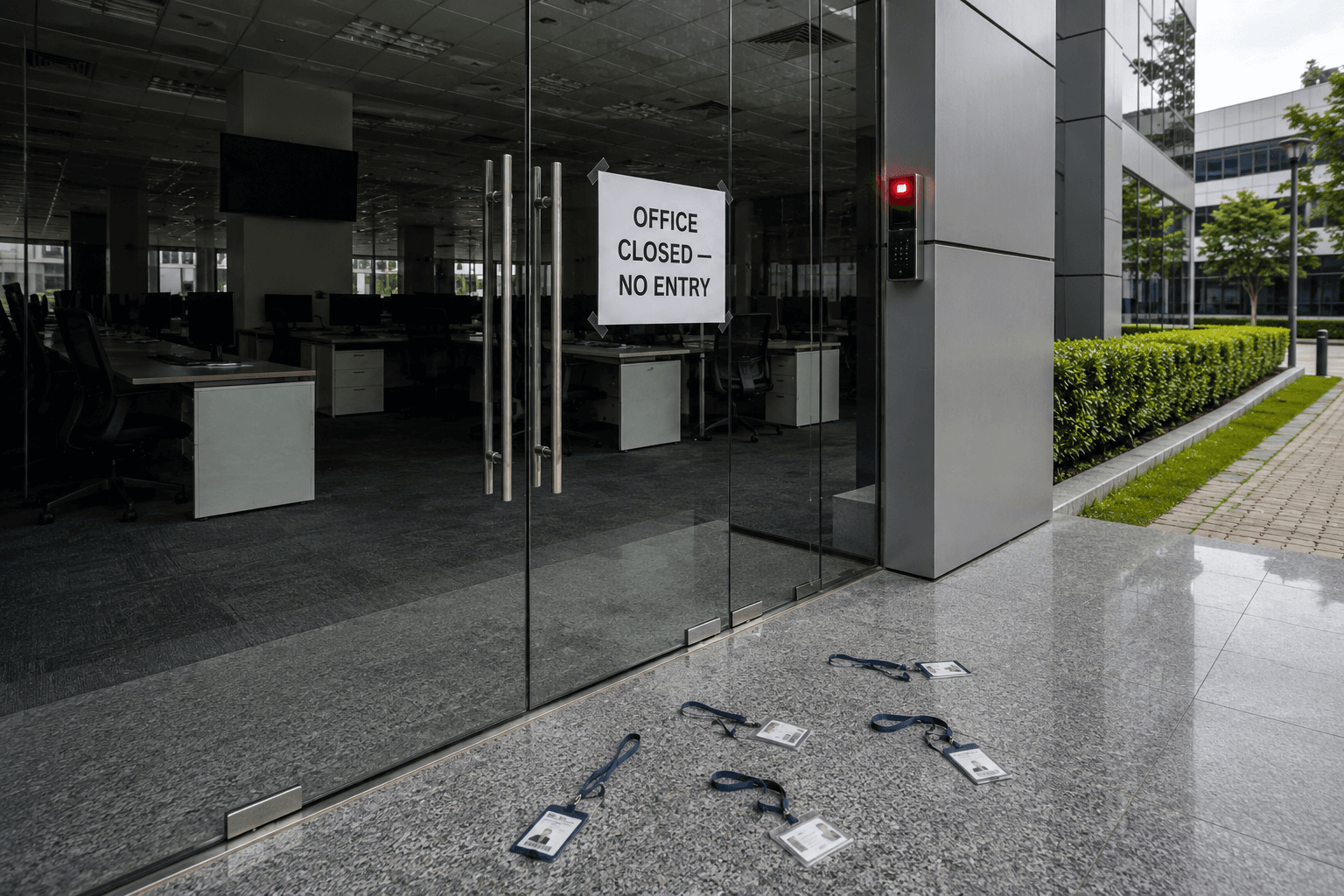
One week after the CorroHealth crisis, a second disruption surfaced. Talrop, a Kochi-based startup ecosystem operator, announced the shutdown of 21 companies within its portfolio. The company had operated a network of decentralized coworking and tech hubs called “Village Parks” across Kerala.
Over 300 employees were affected, with workers reporting salary arrears ranging from 4 to 11 months unpaid, sparking intense coverage by regional media.
psychologyCEO Jones Joseph's Stated Vision
Talrop framed the event as an intentional pivot away from their decade-old startup sandbox model (which reportedly cost ₹100 crore per year to keep afloat) towards a lean, institution-driven model leveraging real estate and build-operate-transfer infrastructure.
person_cancelEmployee Testimonies
Staff asserted they were left in the dark for months with no salaries, and that management blocked communication channels. The company promised to resolve fresher salaries starting July 15, adding a ₹300/day compensation rate for delay, but disputes continue.
CorroHealth vs. Talrop
Compare key aspects of both corporate events.
| Feature / Metric | CorroHealth | Talrop |
|---|---|---|
| Company Structure | US Multinationals BPO Services | Regional Startup Incubator / Hub |
| Workforce Displaced | ~800 to 900 employees | 300+ employees |
| Nature of Layoff | Sudden single-day office closure | Gradual salary default over months |
| Compensation Status | 3 months salary paid as severance | Up to 11 months unpaid arrears outstanding |
| Primary AI Aspect | High medical coding automation vulnerability | Explicit corporate pivot blame on AI shift |
The AI Question: Practical, Not Alarmist
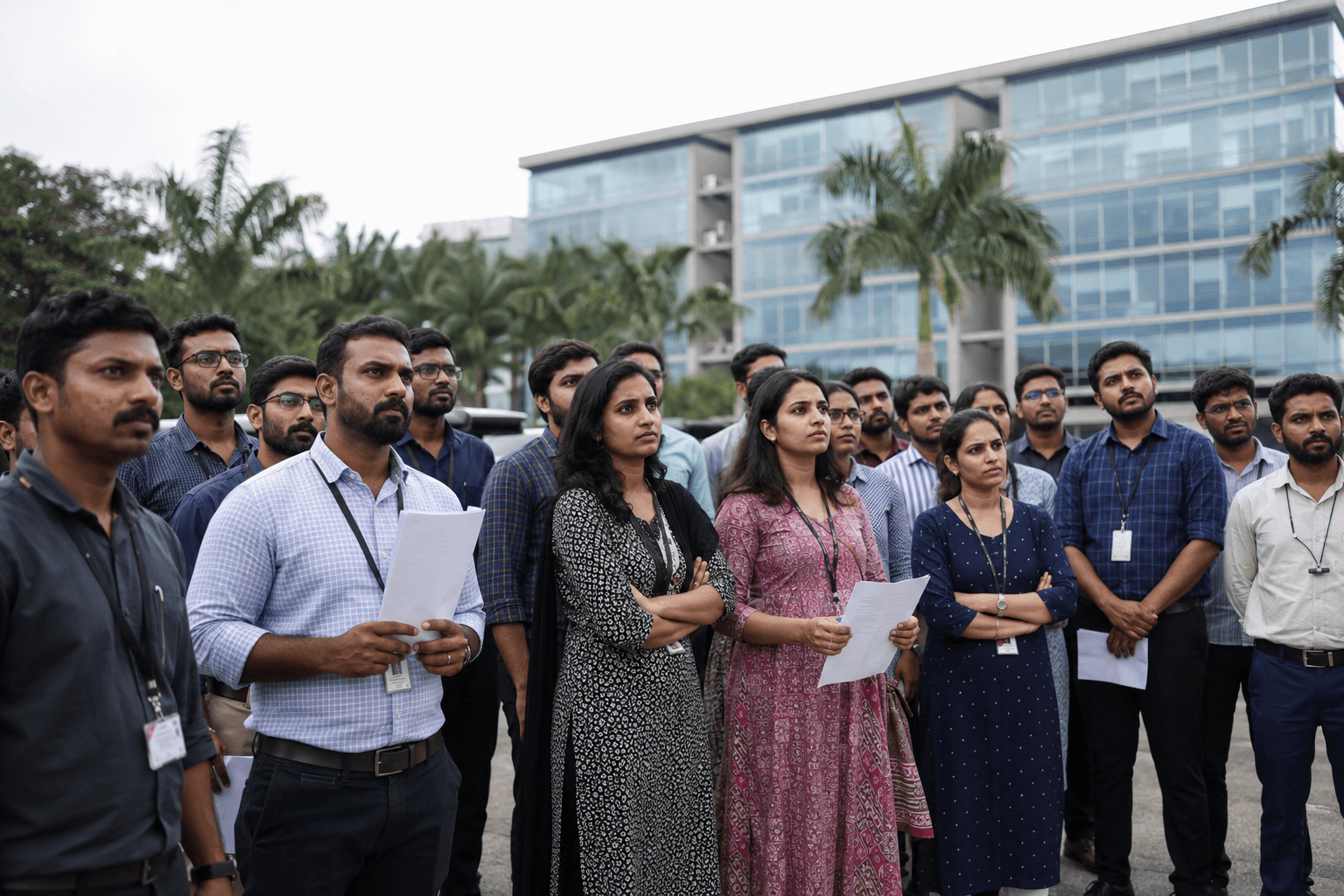
Rather than generic panic, the Kerala layoffs highlight a selective transition. Certain jobs are highly vulnerable to generative AI algorithms, while other technical roles are experiencing a surge in demand inside the state's IT parks.
Vulnerable Tech Segments
- Medical Coding & Auditing: AI models parse charts with high accuracy.
- Data Entry & Basic BPO: Repetitive back-office tasks are automated easily.
- Template QA & Manual Testing: Automated script generation reduces human hour demand.
Growth Tech Segments
- AI/ML & Data Engineering: Building pipeline layers locally.
- DevOps & Cloud Architectures: High demand to manage containerization.
- Full-Stack Development: Product engineering requires high human oversight.
Kerala's Reskilling Pathways
The GTech placement platform is the first line of response, but systemic reskilling requires structural support. Programs run by KSUM (Kerala Startup Mission) and state-backed AI academies aim to bridge the gap for displaced service sector workers.

Core Training Channels
GTech Portal: Direct resume submission for displaced CorroHealth staff matching local vacancies.
Kerala Startup Mission (KSUM): Acceleration bootcamps focused on prompt engineering, database optimization, and cloud operations.
Frequently Asked Questions
This analysis reflects information verified as of July 18, 2026, compiled from local reporting including The Hindu, Onmanorama, Mathrubhumi, Times of India, and GTech statements.
Next key events: The joint conciliation meeting on CorroHealth on July 20, and the Ernakulam Joint Labour Commissioner's report on Talrop.
More Tech Analysis from Tech Geum
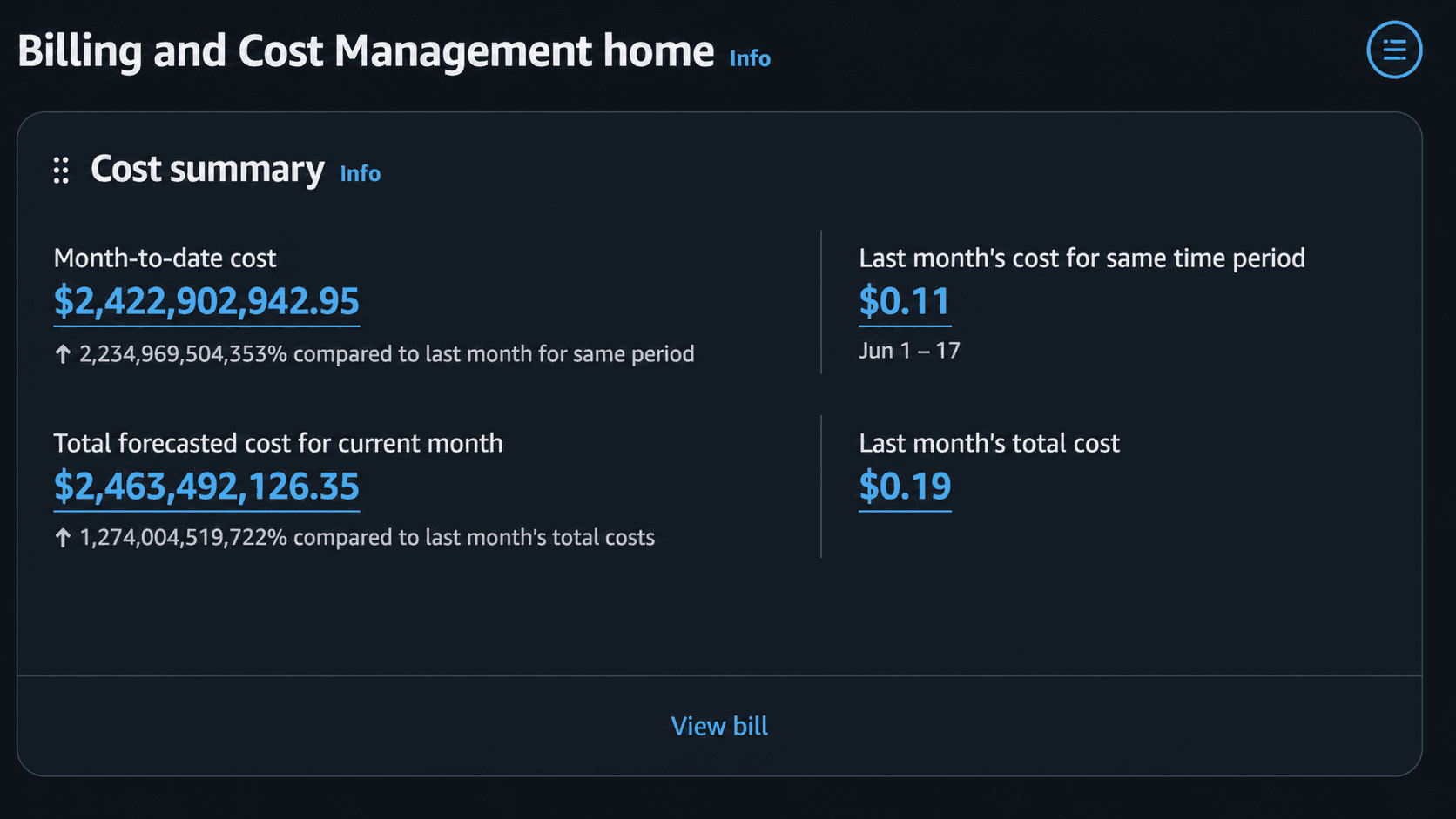
AWS's Trillion-Dollar Billing Glitch: What Happened
An AWS Cost Explorer bug showed customers bills up to $7.1 trillion. Here is what broke, who was affected, and the lessons for FinOps.
Read Analysisarrow_forwardGoogle Antigravity: The Next Leap in Neural Web Search
How Google's neural framework changes user search journeys and the implications for B2B SEO teams.
Zoho Nathu La Server: Revolutionizing Local CRM Workflows
Streamlining CRM operations and data entry with dedicated offline server nodes for Kerala enterprise networks.