Zoho's Nathu La Server: Why It Changes the AI Cost Game
A five-year hardware bet, designed in Nagpur, built to slash inference costs and give Zoho control over its entire technology stack.
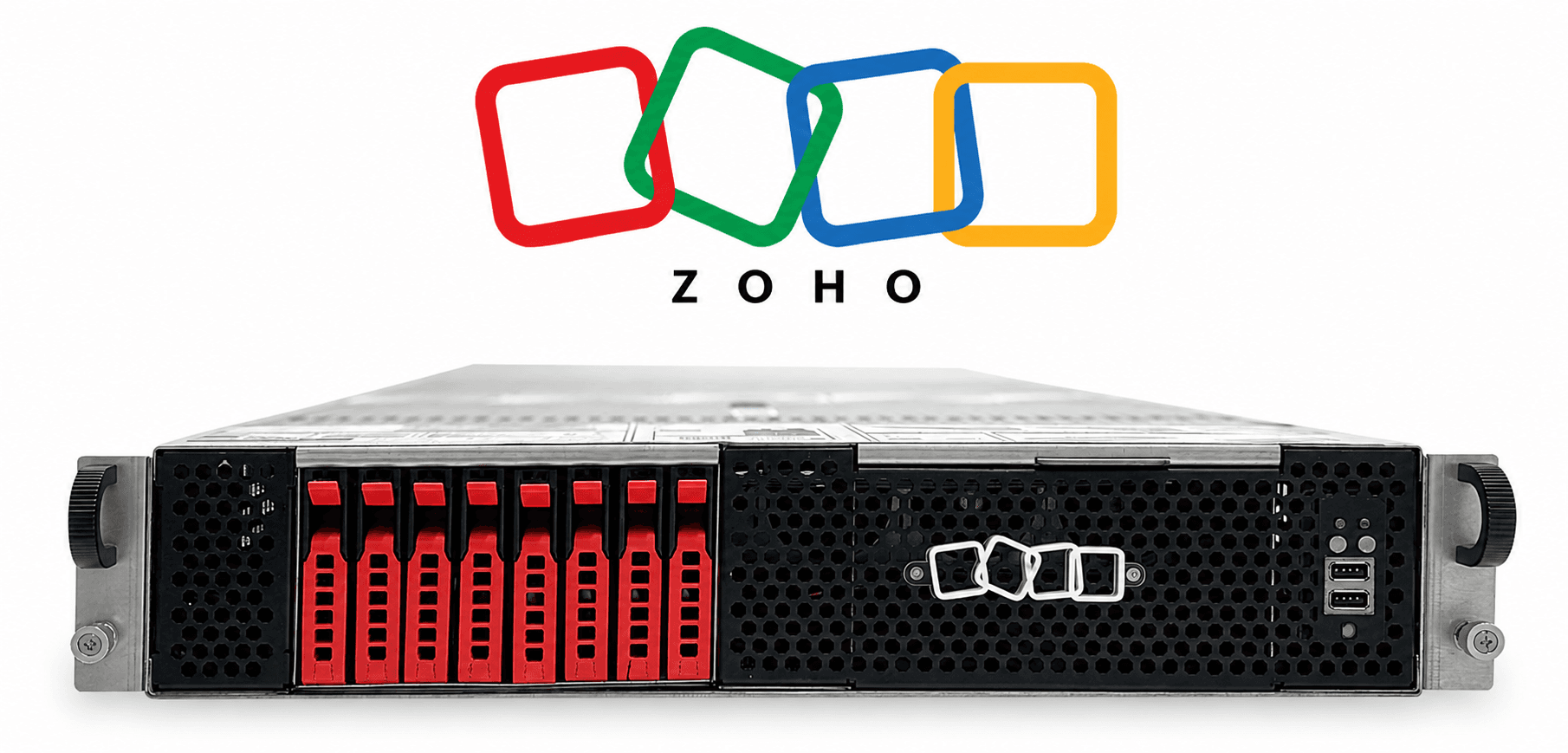
Most SaaS companies rent their compute. Zoho just built its own.
Since early 2026, server costs have quadrupled. Supply chains are stretched. AI workloads are eating through budgets that used to be rounding errors. Rather than pass those costs downstream or accept dependency on third-party hardware vendors, Zoho spent five years quietly designing a server from scratch — and in June 2026, they shipped it.
It's called Nathu La, named after a Himalayan mountain pass in Sikkim. And it's not a concept — it's already running in Zoho's data centres.
What Is the Zoho Nathu La Server?
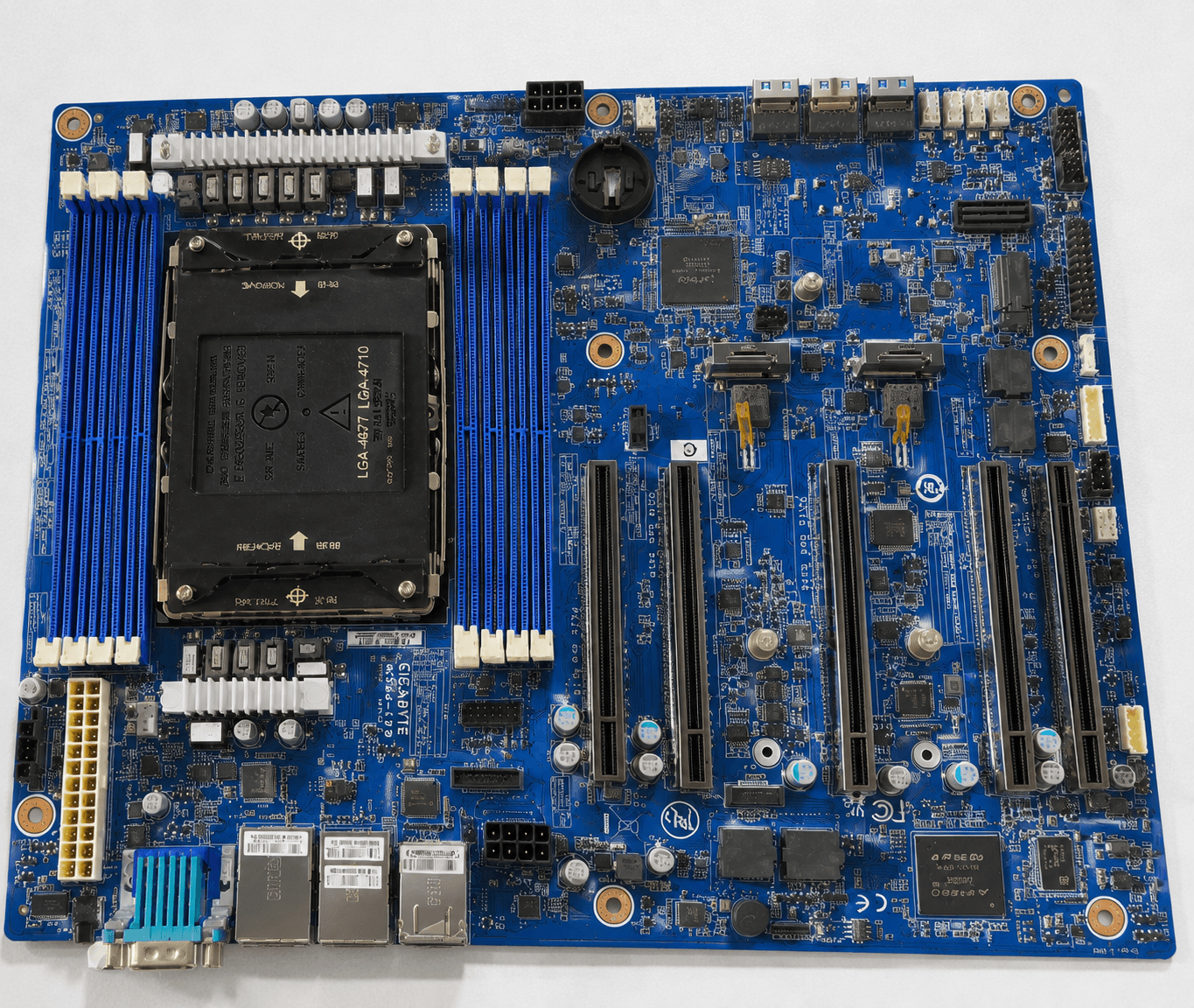
Nathu La is Zoho's first in-house designed enterprise server platform. Every layer — motherboard, chassis, firmware, network interface card, and data centre secure control module — was engineered internally by Zoho's hardware team in Nagpur, India.
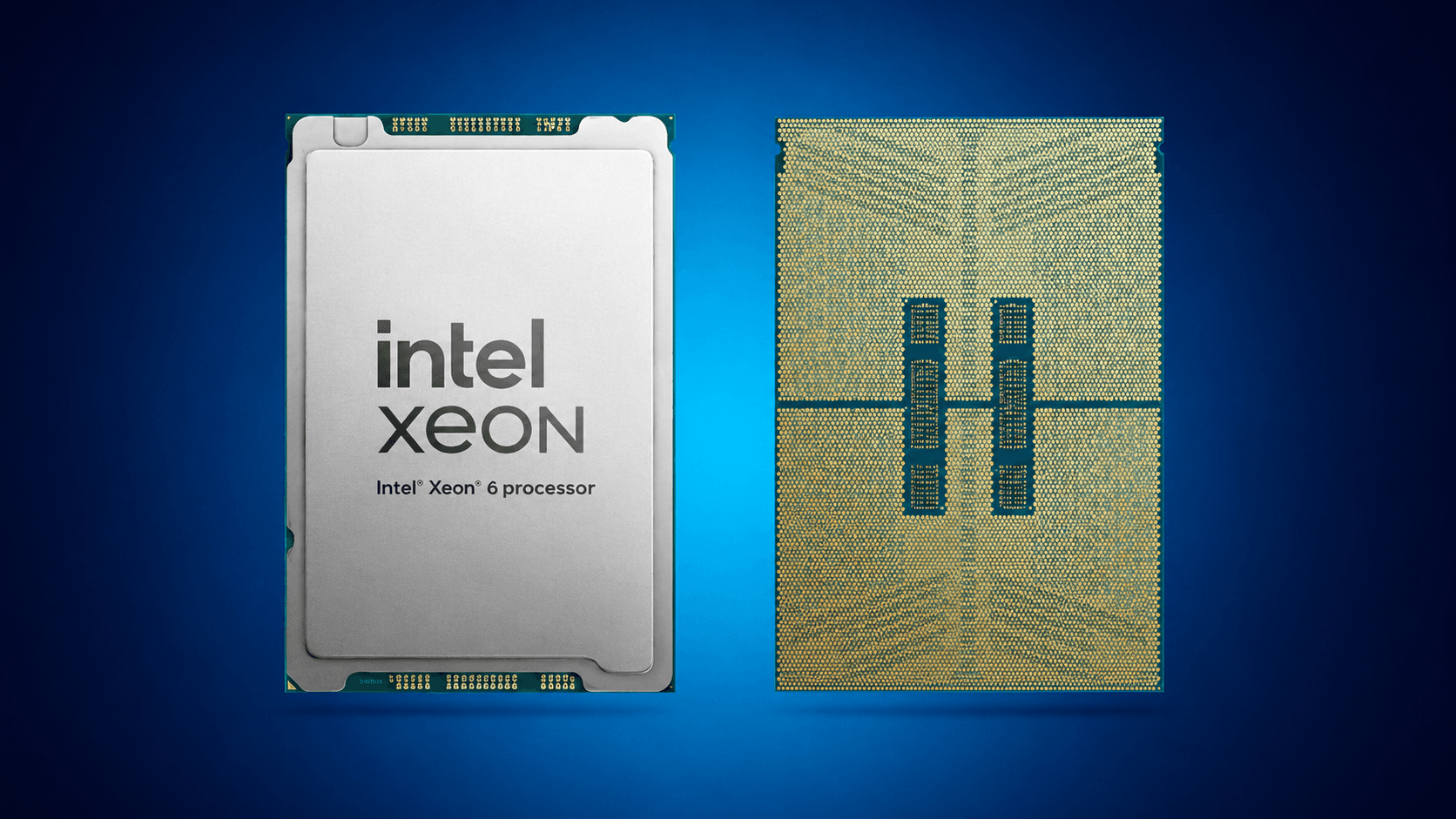
Built on Intel Xeon 6 processors (enabled through technical collaboration with Intel), the server follows the Open Compute Project's modular M-DNO form factor. That means it can be rapidly reconfigured for different workloads without deploying entirely different hardware.
Why Zoho Built Custom Server Hardware
The short answer: economics forced the hand. AI workloads have fundamentally reshaped infrastructure costs. According to Zoho's Director of AI, Ramprakash Ramamoorthy, the average server Zoho uses now costs nearly four times what it did at the start of 2026.
Procurement delays stretch into multiple quarters. Memory and processor prices have surged with AI demand. For a company that operates its own data centres rather than relying on public cloud, these costs hit directly.
“Compute is no longer a rounding error in operating costs; it is becoming a strategic resource.”
— Ramprakash Ramamoorthy, Director of AI, Zoho Corp
Zoho's philosophy has always been to own the full stack — from application code down to infrastructure. Nathu La extends that principle into hardware. If compute is foundational, Zoho decided they should own it rather than rent it indefinitely from vendors whose pricing they can't control.
Under the Hood — Nathu La Server Specifications
This isn't a white-label server with a logo slapped on. Zoho designed the entire platform from first principles:
memoryProcessor
Intel Xeon 6 — optimized for virtualisation, HPC, AI inference, and storage applications.
developer_boardArchitecture
Open Compute Project M-DNO form factor — modular, reconfigurable per workload type.
securityFirmware
Open-source stack — EDK2 for BIOS, OpenBMC for baseboard management. Fully auditable, no vendor black boxes.
thermostatThermal
Five patents filed covering cooling architecture. Air-cooled today, with liquid cooling on the roadmap.
The modular design lets Zoho configure different hardware profiles for different applications. A server running Zoho Mail (small text payloads, high storage I/O) gets a fundamentally different configuration than one running Zoho Meeting (real-time audio/video, heavy compute for background removal and recording).
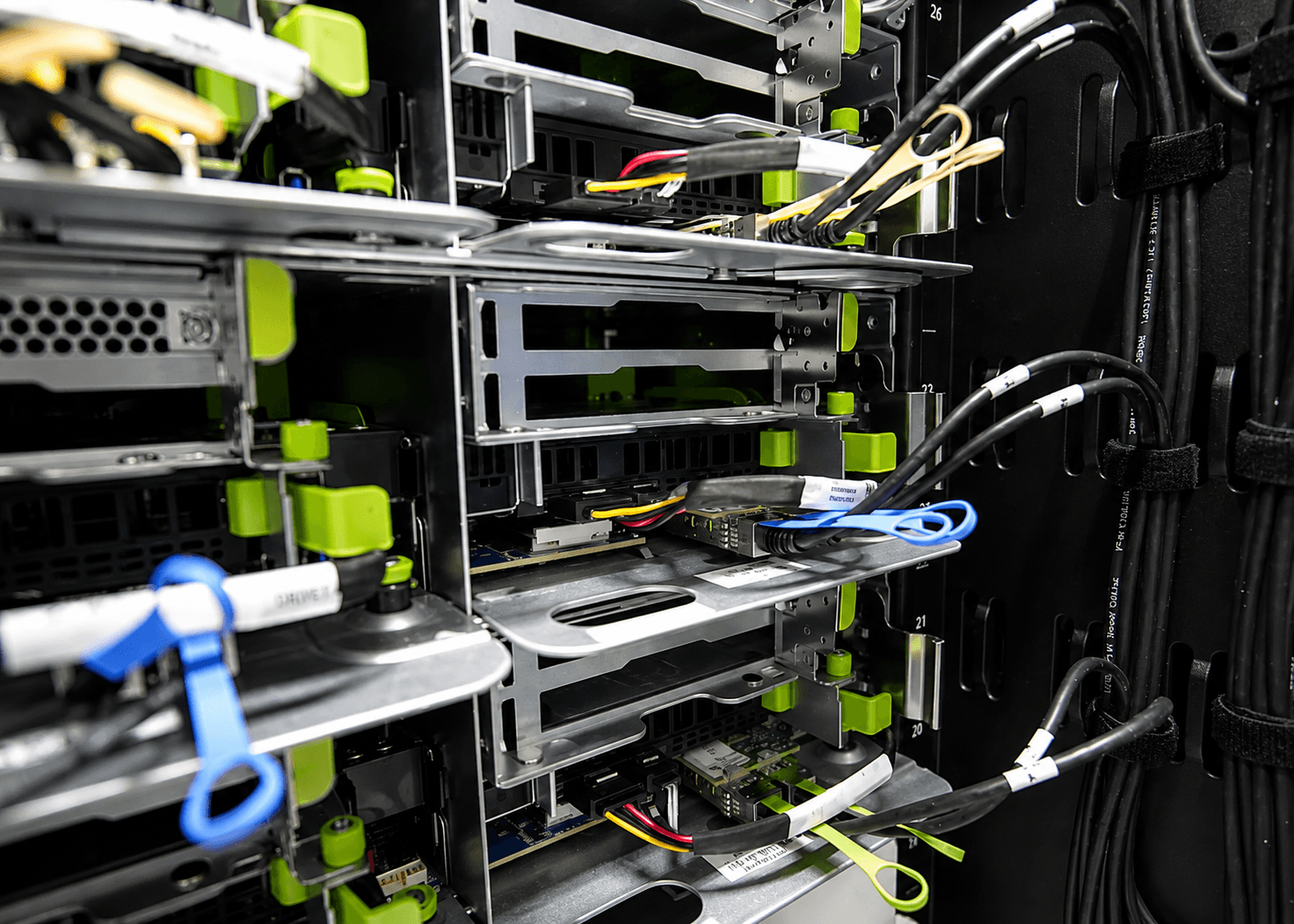
“Thermal is the number one concern today. Our patents — the majority are for cooling. How efficiently you cool the systems, how the air flows — that is the actual innovation.”
— Mangesh Sadafale, Head of Hardware Development, Zoho
How Nathu La Cuts AI Inference Costs
Owning the hardware is one piece. The real cost advantage comes from combining it with Zoho's AI deployment strategy: right-sized models matched to right-configured hardware.
Zoho runs over 80 specialized machine learning models alongside small, medium, and large language models — all developed in-house. The approach is contextual: use a smaller model when you can, a traditional ML model where that suffices, and reserve large generative models only for creative or complex generative tasks.
The compounding effect
Right-sized AI models + workload-optimized hardware + owned (not rented) infrastructure = AI features bundled into standard subscription pricing, not charged as premium add-ons. For Zoho customers, this means intelligence features stay accessible without per-query billing surprises.
The Bigger Picture — Tech Sovereignty and India's Hardware Gap
India imported over $13 billion in compute systems in the last financial year. In the same period, China exported more than $150 billion in compute hardware. That gap isn't just a trade statistic — it's a structural dependency.
Nathu La is Zoho's answer to a specific part of that problem: all intellectual property is owned in India, manufacturing is handled through domestic EMS partners, and the platform doesn't depend on foreign entities for security audits, firmware updates, or licensing continuity.
The engineering team itself tells a story. The R&D group was established in Nagpur in 2020 through Zoho's SETU programme (Student Engagement for Transformative Upskilling), which recruits directly from local engineering colleges in central India. Over 300 students have been trained. Ninety percent of the team that built Nathu La are these graduates — average experience of just three to four years.
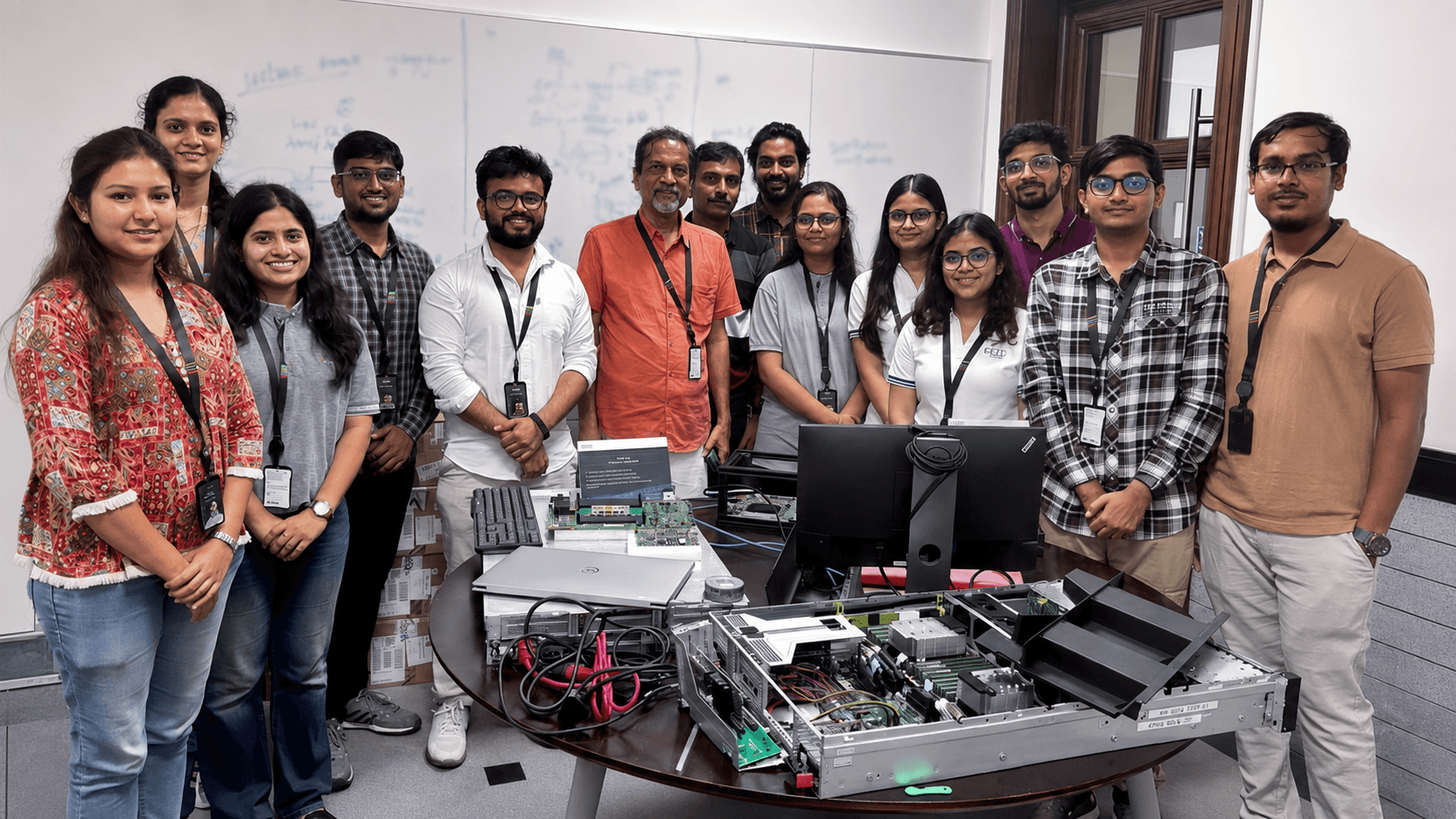
“Deep tech knowledge cannot be licensed. It has to be homegrown. To maximise value addition in India, the design has to be made in India.”
— Mangesh Sadafale, Head of Hardware Development, Zoho
What This Means for Zoho Customers
If you're running Zoho apps today, nothing changes immediately on your end — and that's the point. The benefits show up as:
- check_circlePricing stability — lower infrastructure costs mean less pressure to increase subscription fees as AI features expand.
- check_circleBetter performance per workload — hardware tuned specifically for Zoho Mail, Zoho Meeting, Zoho Analytics, etc., rather than generic configurations.
- check_circleStronger data governance — full-stack ownership means no third-party firmware with opaque code paths touching your data.
- check_circleAI included, not upsold — intelligence features stay in the standard tier because inference costs are controlled at the hardware level.
The current roadmap: 1,000 to 2,000 Nathu La servers deployed by end of 2026, initially in India-based data centres. Zoho hasn't ruled out eventually making the platform available commercially for government and large enterprise deployments where data sovereignty is paramount.
Frequently Asked Questions
Will Nathu La affect Zoho's application pricing?expand_more
Is the Nathu La server available for external purchase?expand_more
What processors does Nathu La use?expand_more
How does this relate to Zoho's AI features?expand_more
Where are Nathu La servers currently deployed?expand_more
Recommended Reading
 AI & Innovation
Fastest Way to Start a Google Antigravity Project
Learn how to quickly install the agy CLI, configure autonomous DeepMind agents, and start your first project.
 Business Workflows
How Zoho Automation Reduces Manual Work in Businesses
Discover practical ways to connect systems and automate repetitive tasks across your sales and support departments.
 Zoho Implementation
Zoho One for Businesses in Calicut
See how Calicut SMEs deploy Zoho One to run CRM, finance, HR, and custom workflows on a single subscription.