Who Is DeepSeek?
Founded in Hangzhou, China in late 2023. Backed by High-Flyer, a quantitative hedge fund. No hype. No billion-dollar raise. Just a small team building AI models quietly.
On January 20, 2025, they released DeepSeek R1— a reasoning model that competes with OpenAI's o1. The twist: they built it for roughly $6 million. US labs spend $100M+ for comparable results.
The Growth Was Unprecedented
21M
DeepSeek DAU after 3 weeks
1.46M
ChatGPT DAU after 3 weeks
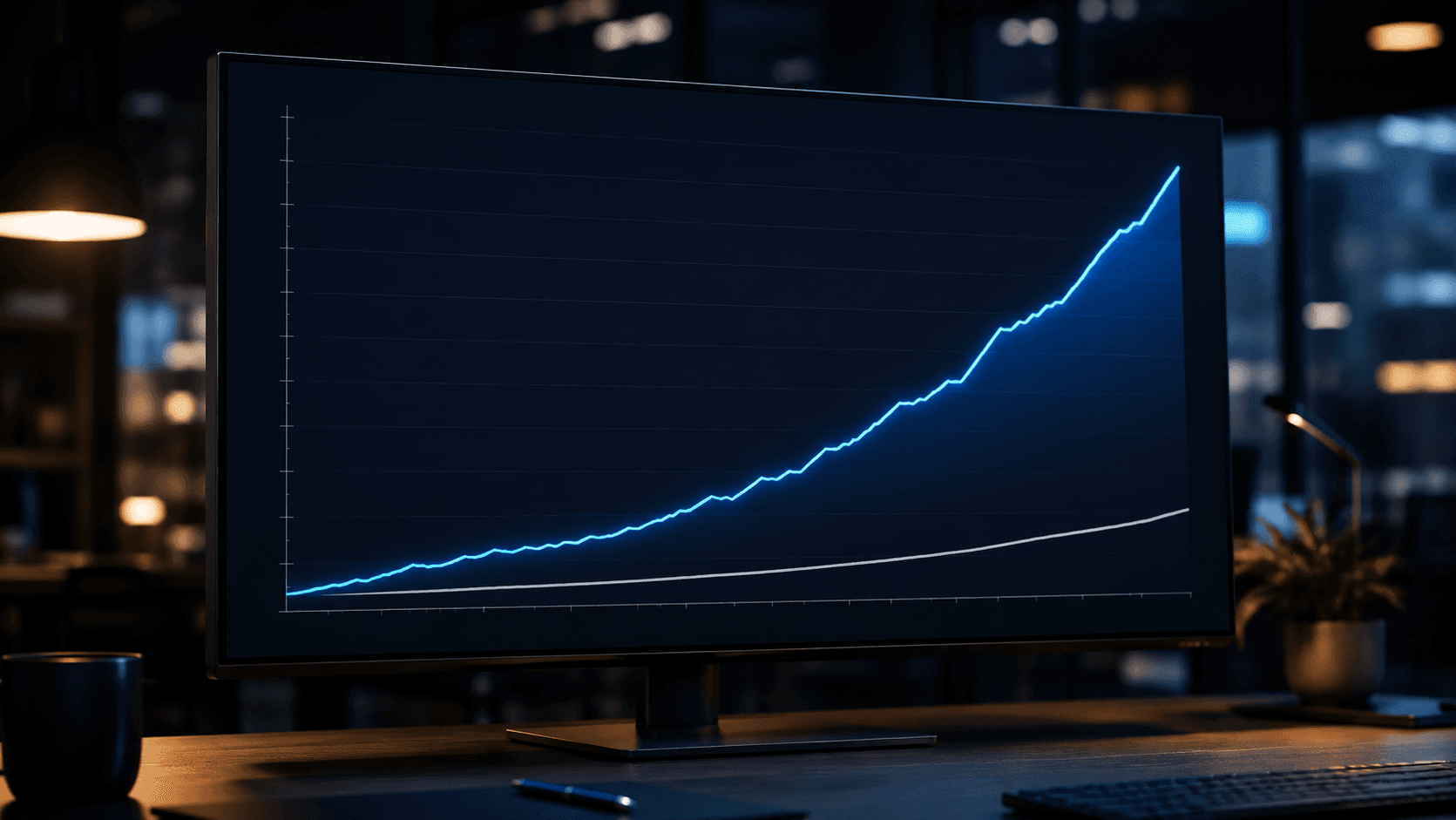
15× faster growththan ChatGPT's launch. By Jan 27, DeepSeek was the #1 free app in the US — ahead of Instagram, TikTok, and ChatGPT.
- 33.7M monthly active users by end of January
- 96.9M monthly active users by April 2025
- 173M+ total downloads by early 2026
January 27: The Biggest Single-Day Crash in History
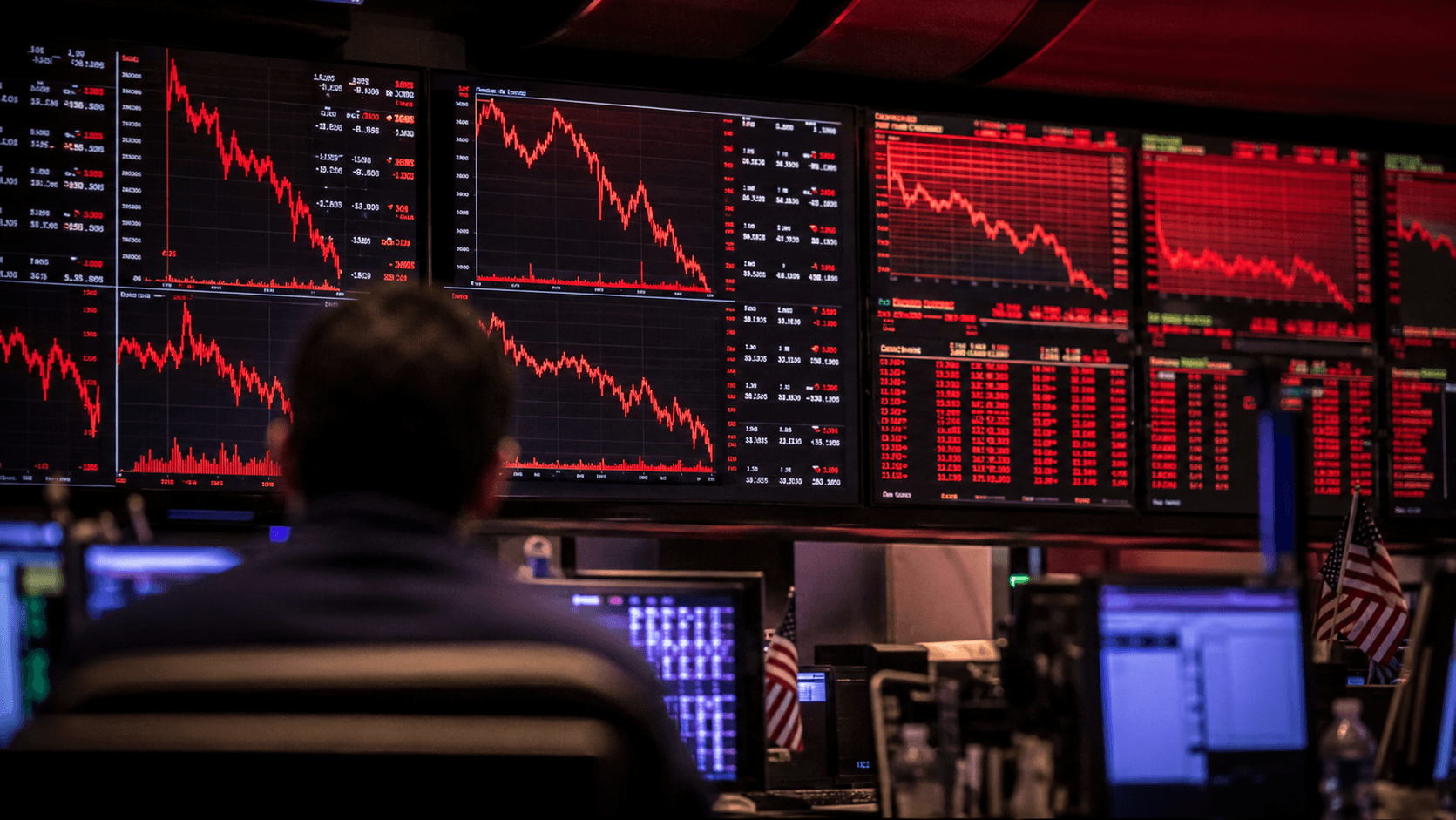
Markets opened. NVIDIA dropped 17% in hours.
−$589 Billion
Largest single-day market cap loss for any US company. Ever.
The broader tech sell-off wiped $1 trillion+ across AI-related stocks. Investor logic: if a small lab builds frontier AI for $6M, does the world need $100B in GPU spending?
“A young Chinese AI startup sparked a massive rout in US technology stocks as its models stoked doubts about the hundreds of billions America's biggest tech companies are spending on AI.”
— CNBC, Jan 27, 2025
Why Silicon Valley Panicked
Three things broke the narrative:
Cost shattered assumptions
~2,048 restricted H800 GPUs. ~$6M total. US labs use 10,000+ top-tier chips and $100M+.
Fully open-source
Released under permissive license. Anyone can download, modify, deploy. Undercuts paid APIs.
US export controls failed
Chip restrictions were supposed to block China from frontier AI. DeepSeek did it anyway.
TechCrunch
“First Silicon Valley freak-out of 2025”
The Guardian
“The DeepSeek panic”
Fortune
“Is DeepSeek a DeepFake or real?”

The Technical Shortcut That Changed Everything
Normal approach to build a reasoning AI:
Typical US labs
- Pre-train on massive data (billions $)
- Pay humans to write reasoning examples
- Fine-tune with supervised learning
- Months of iteration
DeepSeek's approach
- Pre-train (smaller compute budget)
- Skip human examples entirely
- Reinforcement learning from scratch
- Model teaches itself to reason
Result: comparable to OpenAI's o1 on reasoning benchmarks. MIT called it “comparable to top AI models but built at a fraction of the cost.”
What This Changed in the AI Race
Efficiency > spending.The race shifted from “most GPUs” to “most output per dollar.”
Open source gained real leverage. Proved open models can match closed ones at the frontier.
Export controls questioned.Restricted chips didn't prevent competitive AI. Policy rethink in Washington.
NVIDIA recovered — question didn't.Stock bounced back, but the “do we need this much hardware?” debate is permanent.

Bottom Line
A small Chinese lab reached 22 million daily users, triggered the biggest single-day stock crash in history, and proved you don't need billions to build frontier AI. The AI industry will never have the same assumptions again.
Sources: South China Morning Post (Feb 6, 2025), CNBC (Jan 27, 2025), Sensor Tower, TechCrunch (Jan 30, 2025), The Guardian (Jan 28, 2025), Reuters, Bloomberg, MIT CSAIL, Backlinko, Aicpb.com.
Frequently Asked Questions
Is DeepSeek free?expand_more
Yes. The app is free. The R1 model is open-source — anyone can download and run it on their own hardware.
Did NVIDIA recover?expand_more
Yes. The stock recovered within weeks. Earnings remained strong. But the event showed how fast sentiment shifts when cost assumptions break.
Was the $6M cost real?expand_more
DeepSeek published this figure for the final training run. Total R&D costs are likely higher — but still dramatically less than comparable US efforts.
How does R1 compare to ChatGPT?expand_more
At launch, R1 matched OpenAI's o1 on reasoning benchmarks. Both have released updates since. DeepSeek remains competitive.
Is DeepSeek safe to use?expand_more
Like any AI chatbot, it processes your text. Some governments restrict it due to data sovereignty. Check your local policies.